


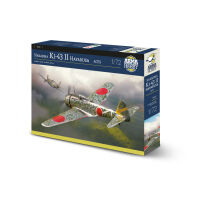
70087 Ki-43-II Hayabusa Aces.
- Add feedback:
- 70087
- Manufacturer: Arma Hobby
-
Availability:
In Stock
Delivery time: 1-3 dni
- Type: Aeroplane kit
- Medium: plastic
- Scale: 1/72

Model Nakajima Ki-43 II Hayabusa in 1/72 scale
Waiting for the kit and don’t want to miss a deal? Subscribe to our Newsletter!
What’s inside the box:
- Plastic sprues (grey and clear parts)
- Decals for two marking options
- Painting masks for canopy and wheels
- Instruction manual
- 3D-printable detail file
3D printable file – available via QR code or link in the instruction
The 3D file includes:
- exhaust stacks – two variants
- rear bulkhead with pilot’s seat and harness
- machine gun barrels
- oil cooler
- fuel cooler
Marking options:
- Nakajima Ki-43-II, 64th Sentai, 3rd Chutai, Lt. Yohei Hinoki, Burma, 1943–44
- Nakajima Ki-43-II, 25th Sentai, 2nd Chutai, Sgt. Maj. Iwataro Hazawa, China, 1944
Nakajima Ki-43 II Hayabusa 70087
The Nakajima Ki-43 Hayabusa (“Peregrine Falcon”), known to the Allies as “Oscar,” was the primary fighter of the Imperial Japanese Army Air Force for most of World War II. Comparable in role to the Spitfire or Messerschmitt Bf 109, it remained in continuous development and production throughout the conflict.
Although often overshadowed by the famous Mitsubishi A6M “Zero,” the Hayabusa played a crucial role over mainland Asia and the Pacific – in China, Burma, Malaya, the Philippines and New Guinea. In the early stages of the war, its exceptional manoeuvrability and climb rate made it a formidable opponent, capable of outclassing many Allied fighters.
Designed in the late 1930s by Nakajima and based on experience with the Ki-27, the aircraft followed a lightweight philosophy focused on agility and performance, achieved at the expense of armour protection and heavy armament. This reflected Japanese air combat doctrine, which emphasised manoeuvrability and pilot skill.
As the war progressed, the Ki-43 became increasingly outdated and was gradually replaced by more advanced types such as the Ki-84 Hayate. Nevertheless, it remained in service until the end of the war, including use in special attack units.
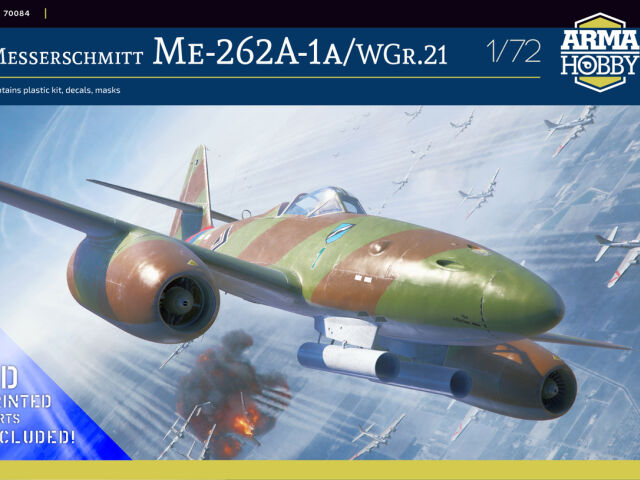
Arma Hobby June '26 Releases
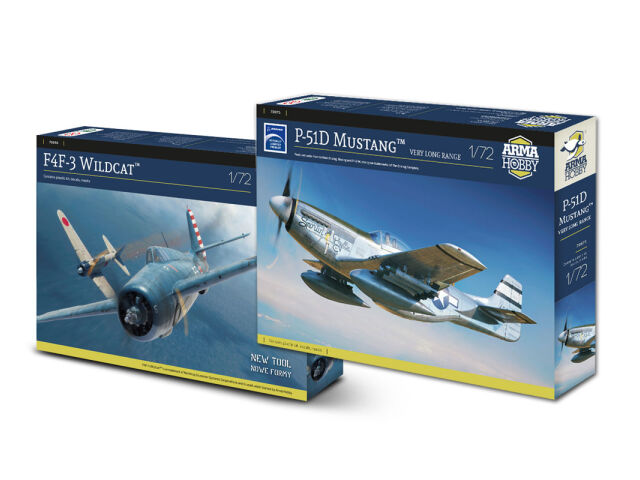
May Pre-Orders Are Live: F4F-3 Wildcat and P-51D Mustang VLR in 1/72




 Message us on WhatsApp

 Polish